




Ah, the first week of school. The energy in the building is a mix of excitement, nerves, and fresh-start optimism. New faces, unopened notebooks, and a full year of scientific discovery ahead.
For teachers, the first week is more than just introductions and reviewing rules. It is your chance to set the tone for the entire year. The activities you choose can spark curiosity, build classroom community, and show students right away that science is going to be engaging, collaborative, and meaningful.
Starting the year with the right activities helps students feel comfortable, excited to participate, and ready to think like scientists. Below is a simple guide to help you structure your first week with activities that build connections, introduce important scientific thinking skills, and get students actively involved from day one.

Day 1: Get to Know Your Scientists
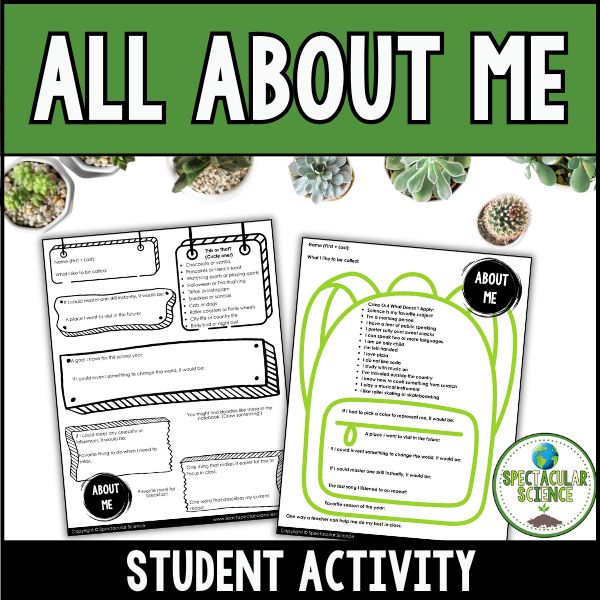
The first day of school is the perfect time to start building relationships. Before diving into content, give students the chance to share a little about themselves.
An About Me activity is a great way to break the ice while also helping you learn more about your students’ personalities, interests, and experiences with science. Ask students to share things like their favorite science topics, hobbies, and what they are hoping to learn this year.
Pro Tip: Fill out your own About Me sheet and share it with your class. It helps build trust and shows students you are part of the learning community too.
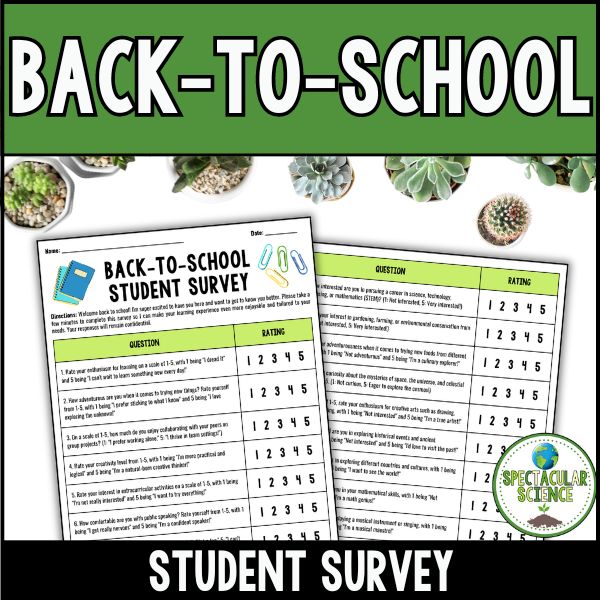
You can take this a step further with a Student Connection Survey. This activity helps you gather valuable insights about learning styles, academic goals, and anything students want you to know about them as learners.
Pro Tip: Consider assigning the survey as the first homework assignment. It gives students time to answer thoughtfully while also helping you collect information you can use to support them throughout the year.
For additional strategies to make homework easier to manage in science class, explore this comprehensive guide on how to make science homework a breeze.
A Quick Win for the First Day
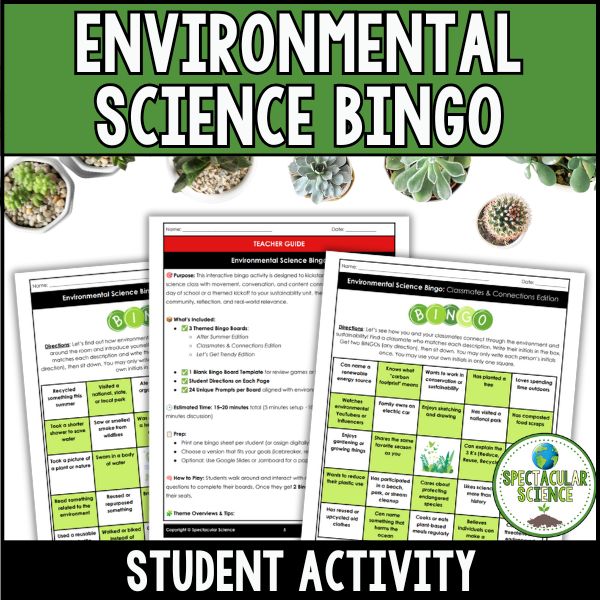
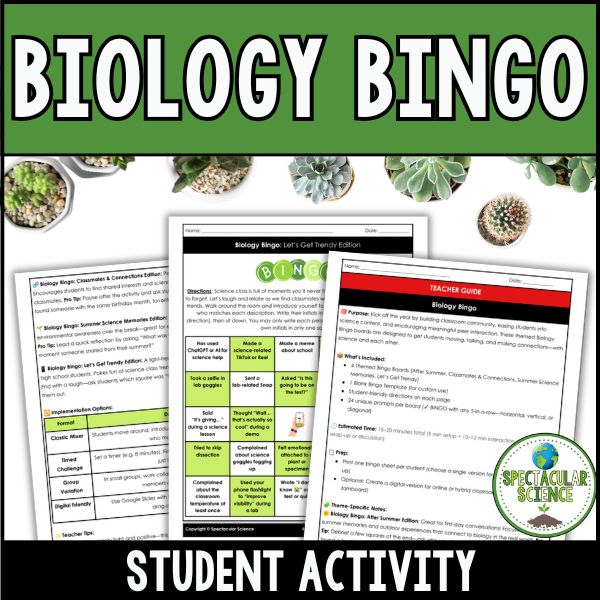
If you want something that gets students moving and talking right away, Science Get to Know You Bingo is always a hit during the first week of school.
Instead of the typical introductions, students walk around the room finding classmates who match different prompts on their bingo card. It gets everyone interacting, laughing, and learning about each other within minutes.
I created versions specifically designed for different science classes so the prompts actually relate to your content area:

It is low prep, easy to run, and helps build classroom community fast.
Day 2: Building Trust, Attention, and Teamwork
Day two is a great opportunity to introduce collaboration and communication.
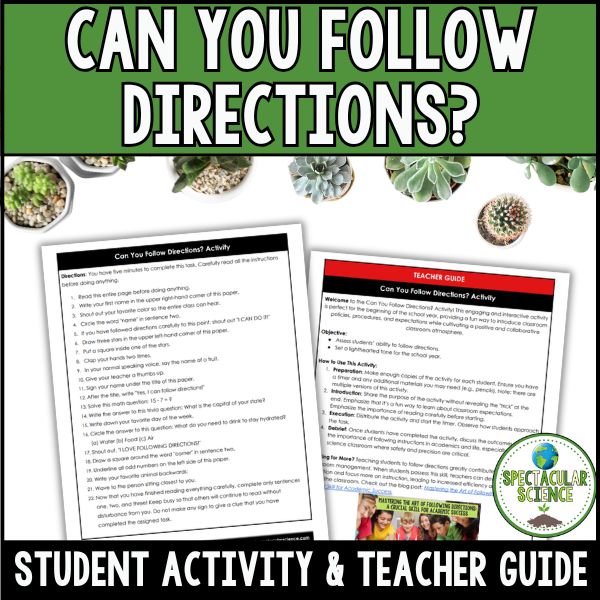
Start with the classic Can You Follow Directions? activity. This deceptively simple task challenges students to carefully read and follow instructions. Many students rush through it, which leads to some hilarious results and an important lesson about attention to detail.
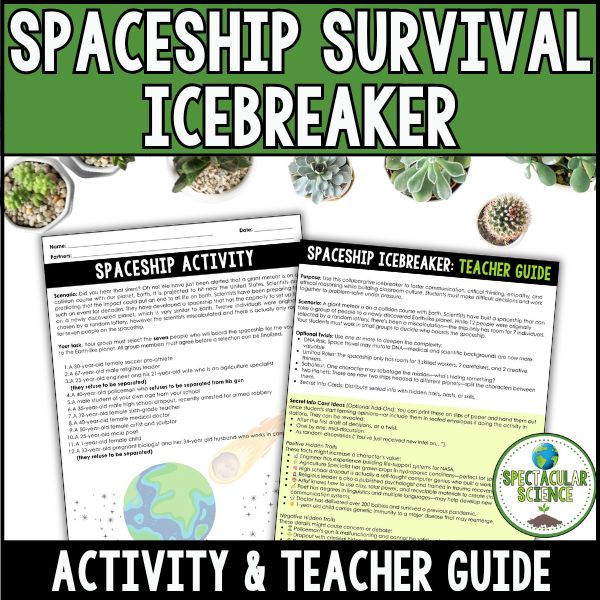
From there, shift into teamwork with the Spaceship Survival activity.
Students work in small groups and must make critical decisions together. For example, they might:
- Design a spaceship capable of traveling to a distant planet
- Decide which passengers should be selected to rebuild civilization after a meteor impact
These scenarios spark thoughtful discussion, encourage debate, and get students practicing collaboration right away.
Day 3: Understanding What Science Really Is
Before jumping too far into content, it helps students understand what science actually looks like in the real world.
Introduce key ideas with lessons on The Nature of Science and The Community of Science during the first week of school. These discussions help students see that science is not just memorizing facts. It is a process built on observation, experimentation, collaboration, and questioning.
This also sets the stage for the critical thinking skills students will develop throughout the year.
Helping Students See Themselves as Scientists
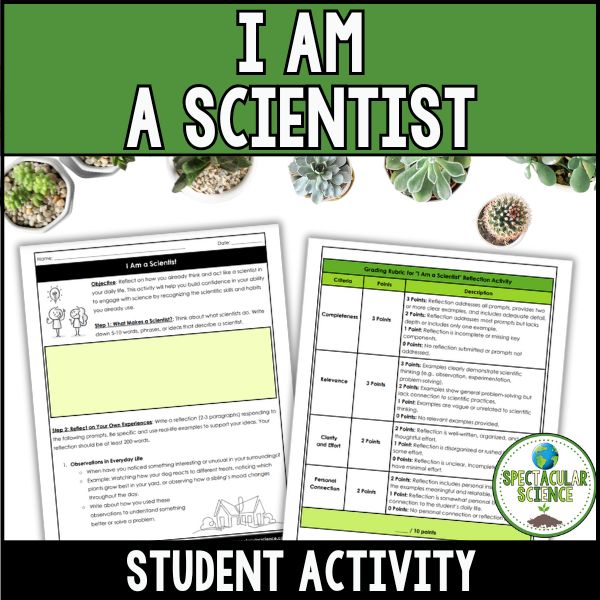
One of my favorite mindset activities for the first week of school is the I Am a Scientist Reflection Activity.
Many students walk into science class thinking scientists are only people in labs wearing white coats. This activity helps them realize they already use scientific thinking every day through observation, questioning, and problem solving.
Students reflect on moments in their lives where they have used curiosity, investigation, and experimentation. By the end of the activity, many start to recognize that they already think like scientists.
Teachers have shared great feedback after using this activity in their classrooms:
“Students enjoyed answering and discussing the questions, which helped them see themselves as scientists.”
— Kerry X.
“This is a great resource that is engaging and a great way to incorporate writing in science.”
— J P
Helping students build that identity early can make a big difference in how confident they feel participating in class discussions and investigations.
For additional tips on building a strong classroom environment starting from the first week of school, check out this post with practical strategies for the first week of school.

Day 4: Exploring the Scientific Method
The first week of school is the BEST time to start with hands-on activities.
Present students with a simple mystery or problem to solve. For example:
- What conditions help plants grow best?
- Why does a certain chemical reaction occur?
- What variables affect a simple experiment?
Provide basic materials and guide students through forming hypotheses, collecting data, and drawing conclusions.
This approach allows students to experience the process of science rather than just reading about it.
Pro Tip: Encourage students to embrace experimentation and failure as part of the scientific process. Unexpected results are often where the best learning happens.
Want more support with this concept? Here’s an entire Scientific Method Unit that includes everything you need to teach the process from start to finish.
Day 5: Ensuring Safety
No science class is complete without a strong understanding of lab safety.
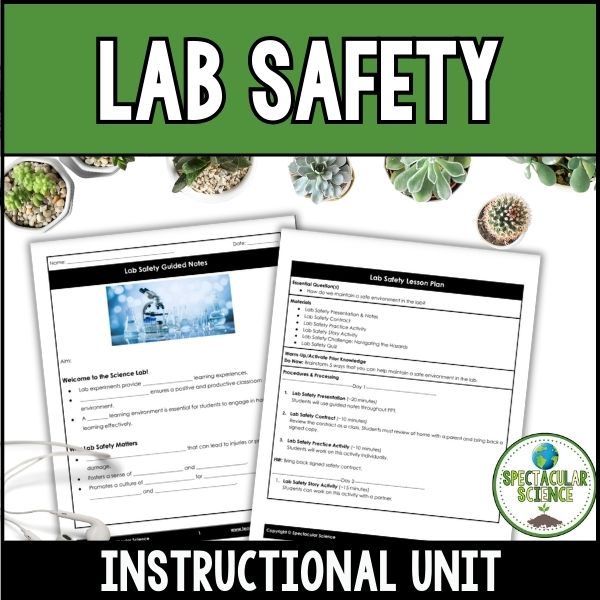
Use the Lab Safety Unit to introduce students to:
- Proper lab behavior
- Equipment safety
- Emergency procedures
- Chemical safety guidelines
You can also include demonstrations of safety procedures so students can see the expectations in action.
Beginning the first week of school with clear safety expectations helps students feel confident in the lab and prevents problems later in the year.
For new teachers, navigating the first week of school can be especially daunting. Be sure to check out this blog post full of tips for new teachers in middle and high school.
A Crowd Favorite Critical Thinking Activity
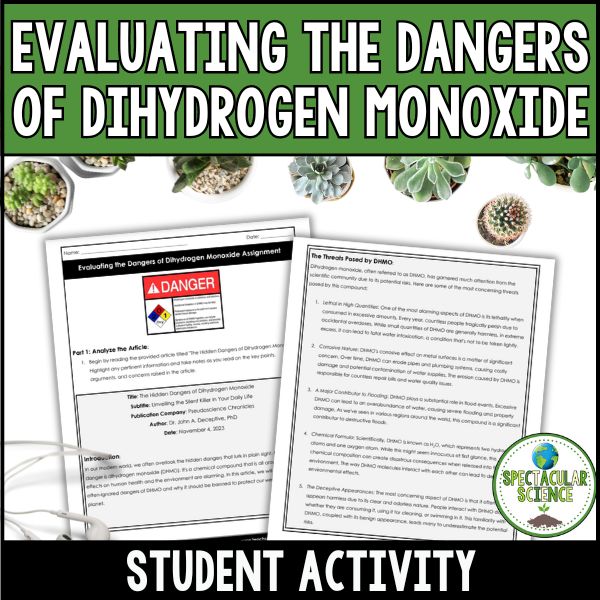
If you are looking for a lesson that gets students instantly hooked, try the Evaluating the Dangers of Dihydrogen Monoxide Assignment.
Students begin by reading a dramatic article warning about a dangerous chemical called dihydrogen monoxide. The claims sound serious, the evidence seems convincing, and students quickly start debating whether the substance should be banned.
Then comes the big reveal: dihydrogen monoxide is simply water.
The real purpose of the activity is helping students practice evaluating sources, identifying bias, and thinking critically about the information they encounter online.
One teacher shared this after using the lesson:
“I used this to help my students think critically about the information that they receive. They see tons of information every day and some of it looks very convincing even though it is completely inaccurate. Being able to evaluate what they read is an important skill for everyone to have.“
— Tanya W.
It is a fun and memorable way to start conversations about misinformation, scientific literacy, and responsible research. An absolute favorite during the first week of school!
Setting the Tone for Success the First Week of School
By the end of the first week of school, you will have laid a strong foundation for the year ahead. Your students will feel connected, engaged, and ready to dive into the fascinating world of science.
These activities introduce important scientific skills while also creating a classroom culture built on curiosity, collaboration, and exploration.
Remember, the first week is just the beginning. Continue building momentum with hands-on investigations, interactive lessons, and opportunities for students to explore scientific ideas in meaningful ways.
Looking for more ideas to keep the excitement going? Be sure to check out this post with 100 hands-on learning opportunities for the science classroom.
Here’s to an amazing year filled with discovery, curiosity, and plenty of “aha” moments in your science classroom.