Debates are one of those classroom activities that get students doing so much more than just talking.
Students have to research, evaluate evidence, organize their thinking, listen to another point of view, and actually explain why the evidence supports their argument. And when the topic connects to something happening in the real world? Even better.
Earth Science is full of topics that naturally lend themselves to discussion, evidence-based arguments, and some really good classroom conversations.
Choosing Debate Topics for Earth Science Class
Not every science topic makes a great debate topic. You want something students can actually research, understand, and discuss using evidence.
When choosing a topic, I like to look for:
- a clear connection to Earth Science concepts and standards
- a topic students will actually have something to say about
- enough scientific evidence for students to research
- multiple possible solutions, perspectives, or tradeoffs to consider
- opportunities for students to support their ideas with data and evidence
One important note: the goal isn’t to have students debate established scientific evidence. Instead, debates work best when students use that science as the foundation for discussing solutions, priorities, risks, costs, and real-world decisions.
With that in mind, here are 15 Earth Science debate topics you can use in your classroom.
1. Climate Change: Which Solutions Should We Prioritize?
Rather than debating whether climate change is occurring, have students investigate different approaches to addressing it.
Students might compare renewable energy, energy efficiency, carbon capture, reforestation, changes in transportation, conservation, or other strategies. Which approaches could have the greatest impact? What are the costs and benefits? Are some solutions more realistic in certain locations than others?
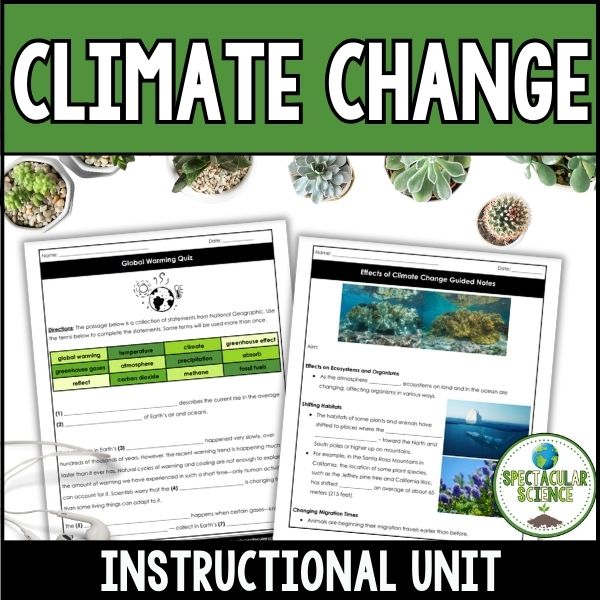
Want students to build their background knowledge first? My Climate Change Unit gives students a deeper look at Earth’s climate system, the greenhouse effect, evidence of climate change, its impacts, and possible responses.

You could also extend the conversation into the rapidly growing energy demands of technology with my Hidden Environmental Footprint of AI investigation.
2. Ocean Acidification: How Should We Protect Vulnerable Marine Ecosystems?
As atmospheric carbon dioxide increases, the ocean absorbs some of that CO₂, changing ocean chemistry and affecting organisms that rely on calcium carbonate.
Have students investigate which marine ecosystems and organisms may be most vulnerable and debate which conservation or mitigation strategies should be prioritized.
This is also a great place to connect ocean acidification with coral reefs, climate change, biodiversity, and other changes occurring in marine ecosystems.
3. Renewable Energy vs. Fossil Fuels
Should communities transition more rapidly toward renewable energy, or do reliability, infrastructure, cost, and current energy demands make a slower transition more practical?
Students can investigate solar, wind, hydroelectric, geothermal, nuclear energy, and fossil fuels while considering reliability, cost, environmental impacts, land use, resource availability, and energy storage.
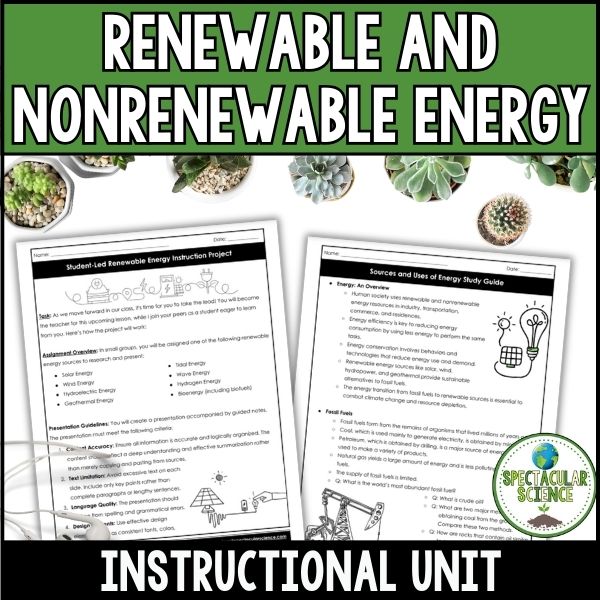
My Renewable and Nonrenewable Energy Unit gives students the background knowledge they need to compare different energy resources before developing their arguments.
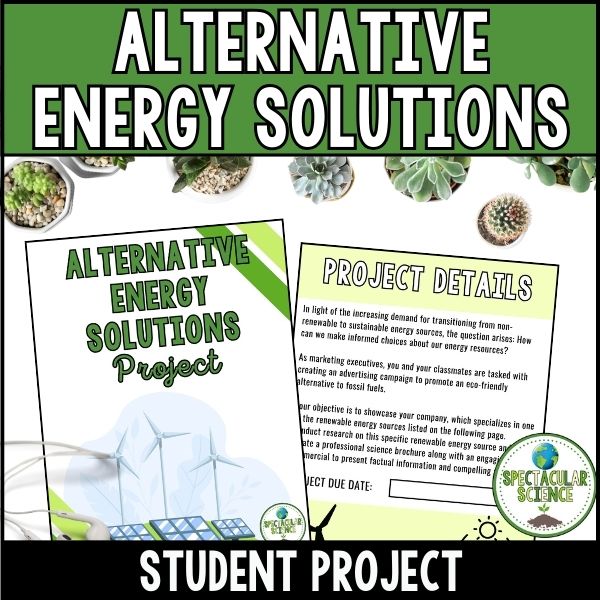
You can also take this discussion one step further with the Alternative Energy Solution Project, where students apply what they’ve learned to develop their own solution.
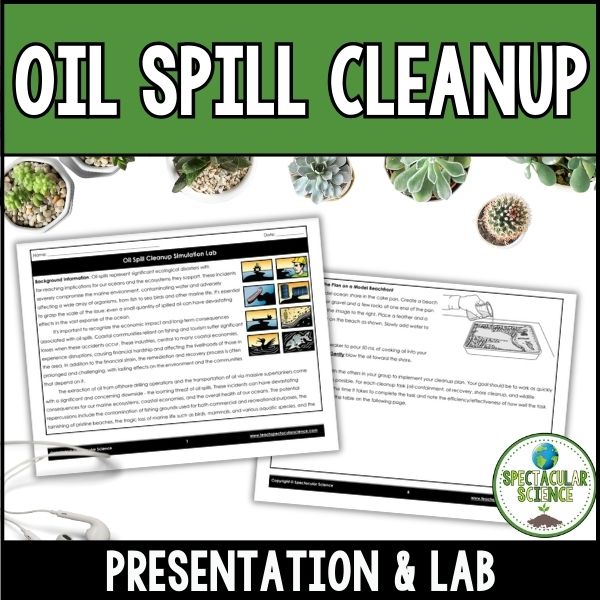
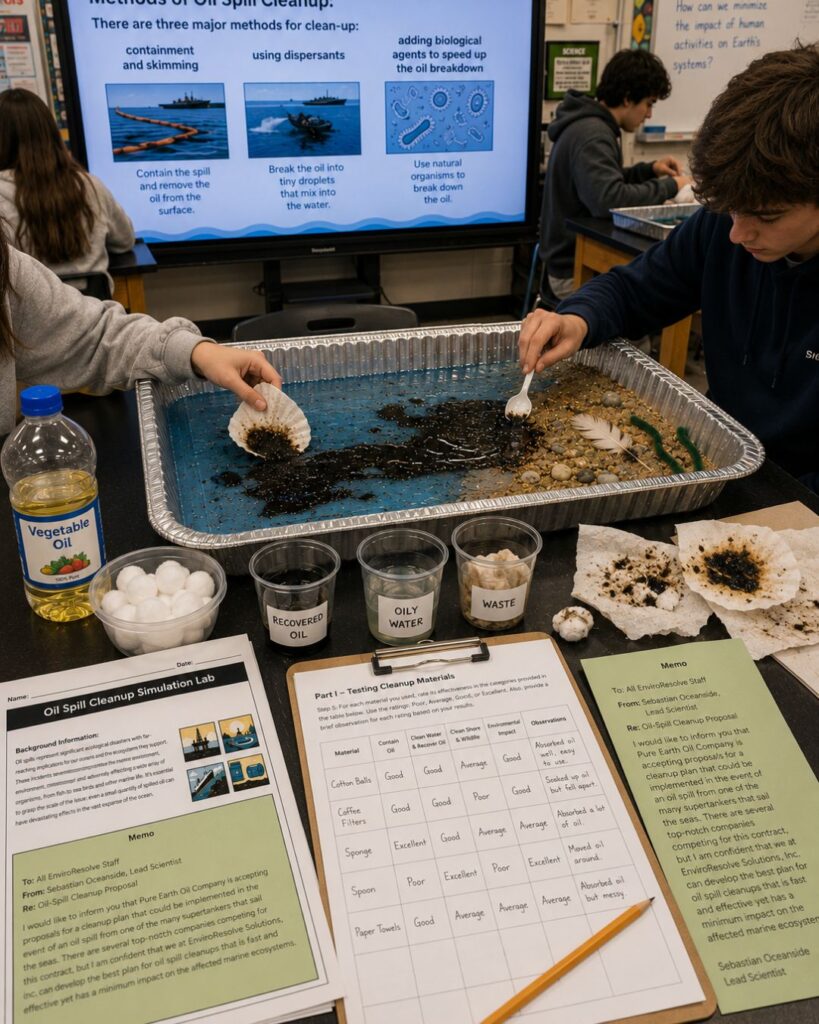
Want students to investigate one of the environmental impacts of fossil fuels firsthand? My Oil Spill Cleanup Activity has students test different methods for cleaning up a simulated oil spill and use their results to determine which method is most effective.
It’s an easy hands-on connection that gives students another piece of evidence to consider as they compare different energy resources.
4. What Role Do Volcanoes Play in Earth’s Climate?
Volcanic eruptions can temporarily influence Earth’s climate by releasing gases and particles into the atmosphere. But how significant are those effects compared with other factors that influence climate?
Have students investigate major volcanic eruptions, atmospheric aerosols, short-term climate effects, and the difference between natural climate influences and current human-driven climate change.
Students can build their background knowledge about volcanic processes first with my Volcanoes resource.
5. Fracking: Energy Benefits vs. Environmental Risks
Hydraulic fracturing provides access to oil and natural gas reserves that were previously difficult to reach, but it also raises questions about water use, groundwater contamination, methane emissions, induced seismicity, and land disturbance.
Should communities continue using hydraulic fracturing? Should additional regulations be required? Are the energy and economic benefits worth the potential environmental costs?
This topic also works really well as an extension to an energy unit or environmental policy lesson.
6. Water Scarcity: Is the Bigger Problem Supply or Management?
Why do some places experience severe water shortages while others don’t?
Students can investigate precipitation patterns, population growth, agriculture, groundwater use, infrastructure, climate, and water-management practices before deciding which factors deserve the most attention.
Then take the discussion from talking about water to actually investigating it.
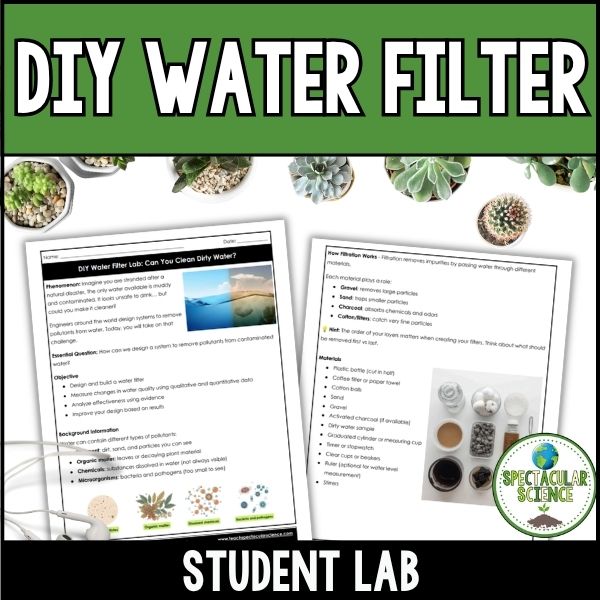
My DIY Water Filter Lab challenges students to explore water quality and filtration through a hands-on investigation.
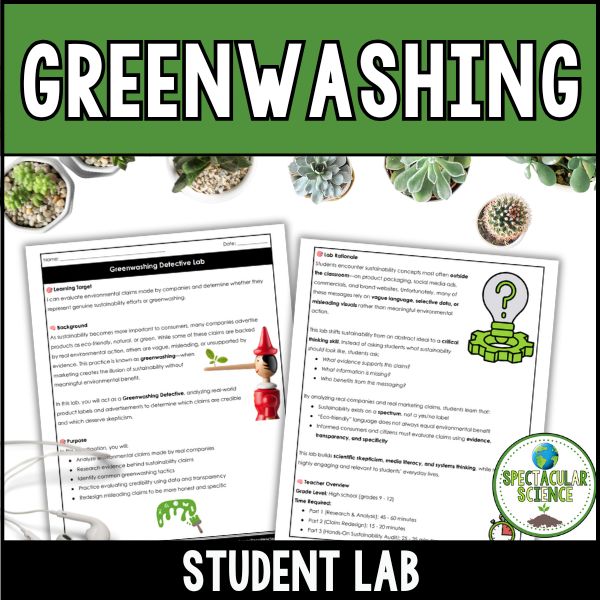
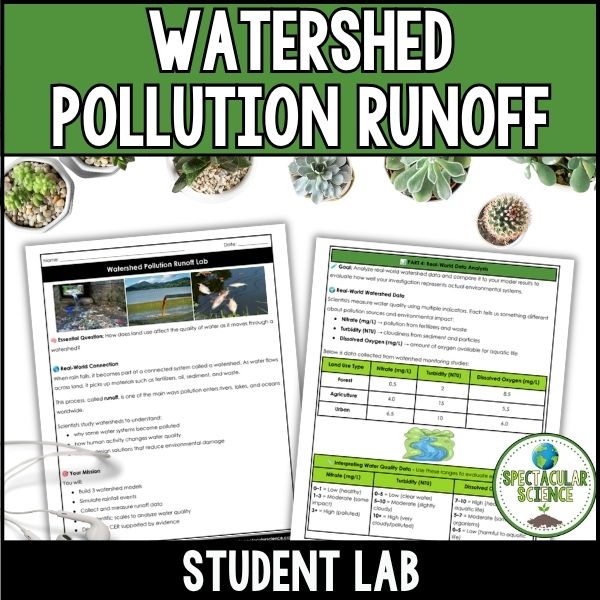
You could also connect this discussion to pollution and runoff with my Watershed Pollution Runoff Lab.
7. Marine Pollution: Who Is Responsible for Solving the Problem?
Plastic pollution, microplastics, and oil spills can all have major impacts on aquatic ecosystems, but solving these problems isn’t always as simple as cleaning them up after they happen.
Who carries the greatest responsibility for preventing marine pollution: consumers, manufacturers, governments, or some combination of all three?
Students can investigate plastic production, waste management, microplastics, petroleum use and transportation, oil spills, consumer behavior, and possible solutions before developing their arguments.
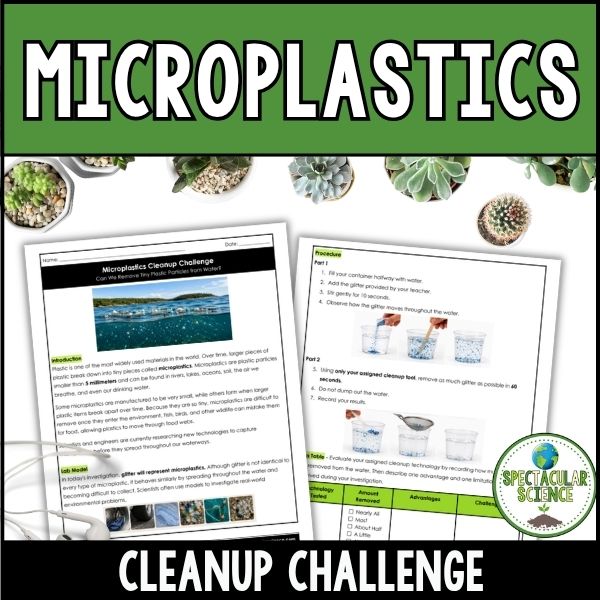
Want to take the discussion from debating the problem to actually designing a solution? My Microplastics Cleanup Challenge has students use the engineering design process to develop and test a possible solution for removing microplastics from the environment.
You can also have students tackle a completely different type of marine pollution with my Oil Spill Cleanup Activity. Students simulate an oil spill and test different cleanup methods to determine which works best.
It’s one of those activities where students quickly realize that cleaning up pollution after it enters an ecosystem isn’t nearly as simple as it sounds.
8. The Existence of Extraterrestrial Life: What Does the Evidence Tell Us?
With thousands of confirmed exoplanets and an enormous universe, the possibility of life beyond Earth is one of those topics that can immediately get students talking.
Have students investigate what scientists believe life requires, the conditions found on other planets and moons, the habitable zone, and how scientists search for evidence of life.
Then let them explore our own solar system with my Solar System Virtual Field Trip.
9. Natural Disasters: Should We Invest More in Preparation or Response?
We can’t stop hurricanes, earthquakes, volcanic eruptions, or other natural hazards from occurring. But we can make decisions about how communities prepare for them.
Should more resources go toward early-warning systems, stronger infrastructure, public education, emergency response, or rebuilding after disasters?
Students can compare the costs and effectiveness of different strategies and investigate how hazard, exposure, and vulnerability influence disaster impacts.
My Natural Disasters & Hazards Unit is a great way to build background knowledge about dangerous weather before students tackle this discussion.
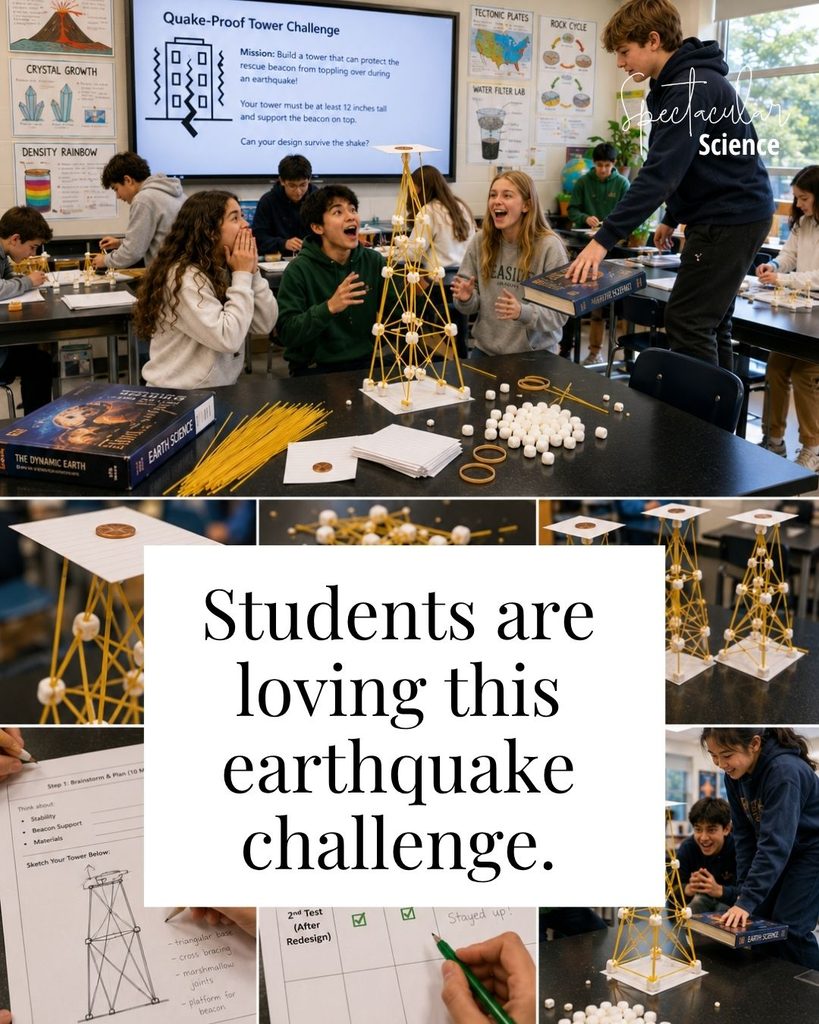
Or turn preparedness into an engineering challenge with my Earthquake Proof Structure Challenge.
10. Soil Erosion: How Much Responsibility Does Agriculture Have?
Erosion is a natural Earth process, but human land use can dramatically change its rate.
Students can investigate agriculture, deforestation, overgrazing, construction, soil conservation, vegetation, and other factors before considering which practices should be prioritized to protect soil.
11. Colonizing Mars: Scientific Progress or Too Many Challenges?
Sending humans to Mars would be an enormous scientific and engineering achievement, but it also comes with some pretty big questions.
Should humans establish a permanent settlement on Mars? What resources would be required? How would humans survive? What environmental and ethical considerations should scientists think about before establishing a settlement on another world?
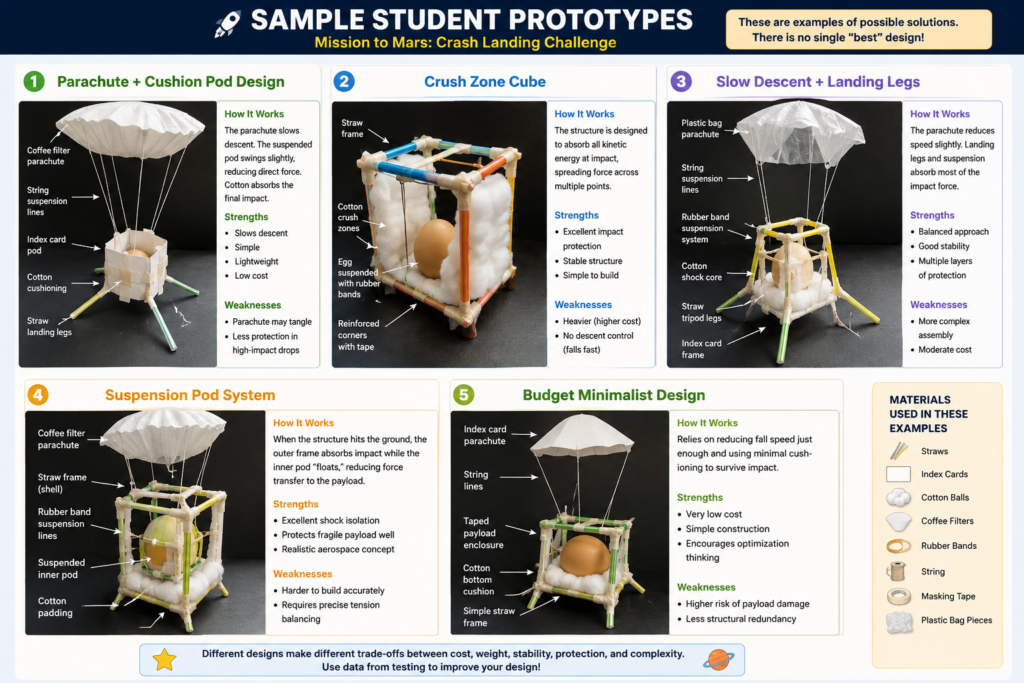
This one practically begs for a STEM challenge.
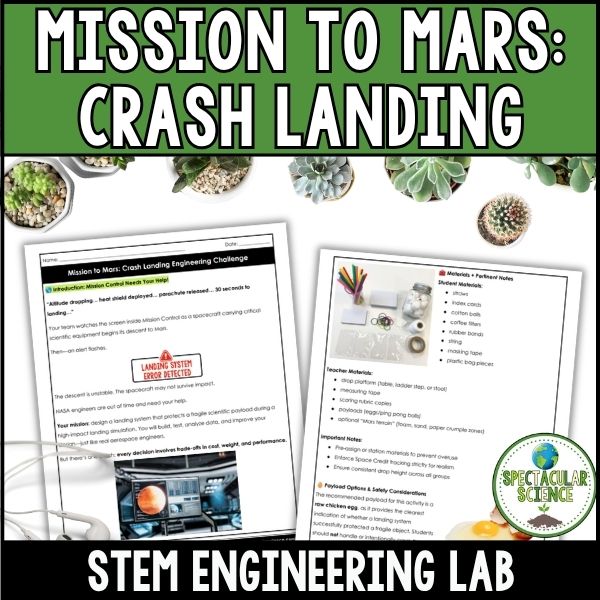
In my Mission to Mars STEM Challenge, students work within real design constraints and a 100 Space Credit budget as they plan a mission and develop solutions for surviving on Mars.
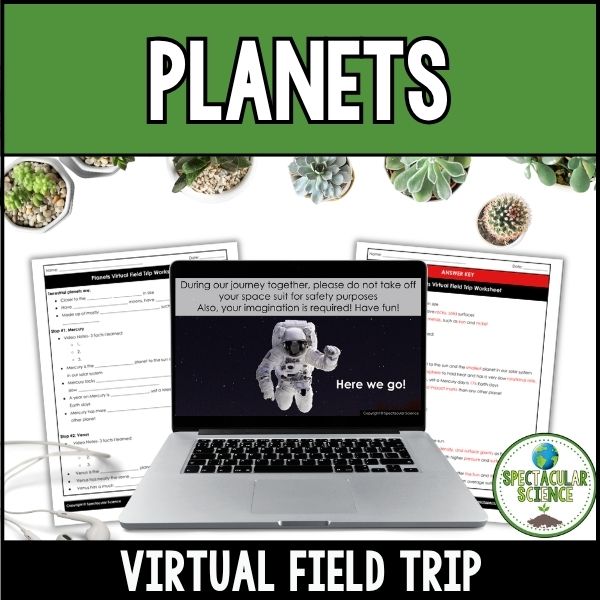
You can also let students explore the planets before the debate with my Solar System Virtual Field Trip.
12. Geothermal Energy: Underused Resource or Limited Solution?
Geothermal energy can provide a reliable source of renewable energy, but access to geothermal resources varies dramatically depending on location and geology.
Should geothermal energy play a larger role in our energy future?
Students can investigate plate tectonics, Earth’s internal heat, location, cost, induced seismicity, and other advantages and limitations before developing their arguments.
This makes another easy connection to my Renewable and Nonrenewable Energy Unit.
13. Urbanization: Can Cities Grow Without Sacrificing Natural Habitats?
As cities grow, land that once supported natural ecosystems can be converted into roads, housing, businesses, and other infrastructure.
But does urban growth always have to come at the expense of the environment?
Students can investigate habitat fragmentation, biodiversity, pollution, green spaces, public transportation, sustainable development, and urban planning before designing their arguments.
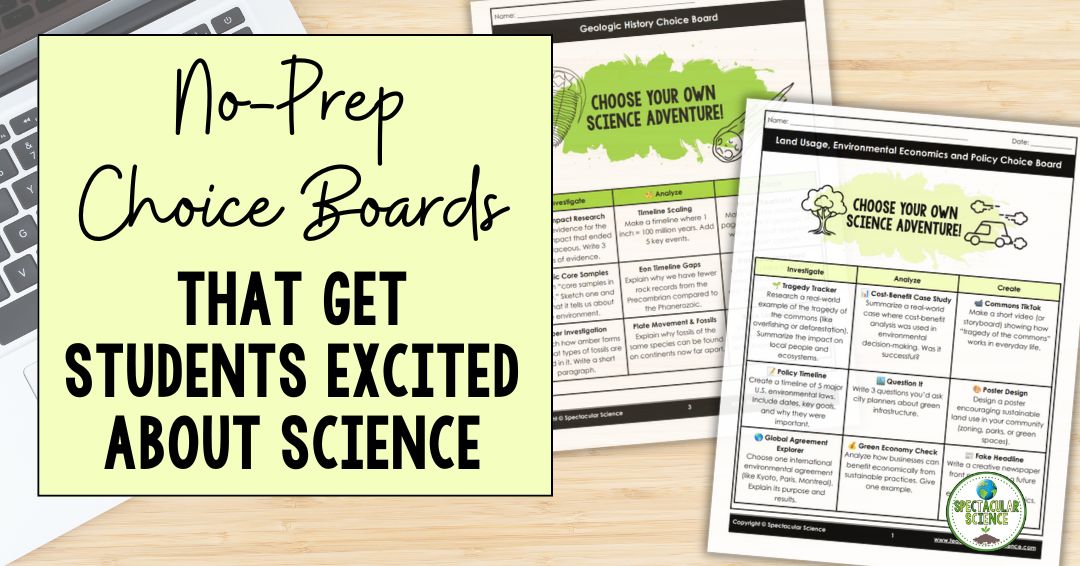
My Land Usage, Environmental Economics & Policy resources are a natural extension if you want students to dig deeper into the decisions and tradeoffs surrounding how humans use land.
You could also challenge students to look at their own school through a sustainability lens with my Sustainable Schools resource.
14. The Future of Space Exploration: Is It Worth the Resources?
Space exploration has led to new scientific discoveries, technologies, and a better understanding of Earth and our solar system. But missions also require enormous amounts of money, materials, energy, and human effort.
How should we balance investment in space exploration with challenges here on Earth?
Have students investigate the scientific benefits, technological advances, environmental impacts, costs, and potential future opportunities associated with space exploration.
This is another great place to use the Mission to Mars STEM Challenge.
15. Deforestation: Conservation vs. Human Land-Use Needs
Forests provide habitat, store carbon, influence the water cycle, protect soil, and support biodiversity. At the same time, forests are cleared for agriculture, development, resources, and other human needs.
How should communities balance conservation with economic and land-use needs?
Students can investigate the environmental effects of deforestation alongside the social and economic reasons forests are cleared.
This topic also creates a great bridge between Earth Science and Environmental Science and can lead directly into a hands-on investigation of how vegetation affects runoff and erosion.
A Few Things That Make Science Debate Day Easier
Once students have researched their topics and gathered their evidence, it’s time for the actual debate.
And because managing 25+ students while simultaneously keeping track of who’s talking, who’s next, and whether three minutes has somehow turned into seven is…a lot, a few simple classroom supplies can make debate day much easier.
Put the countdown where everyone can see it. Students know exactly how much time they have left, and you don’t have to spend the entire debate watching the clock.

These are great for debate planning sheets. Students can organize claims, evidence, rebuttals, and questions without using a brand-new organizer every time you hold a debate.
Give each team one for quickly organizing evidence, planning rebuttals, or jotting down questions during the opposing team’s argument.
Structure of a Science Debate
There are lots of ways to structure a classroom debate, so don’t feel like you need to make this overly complicated.
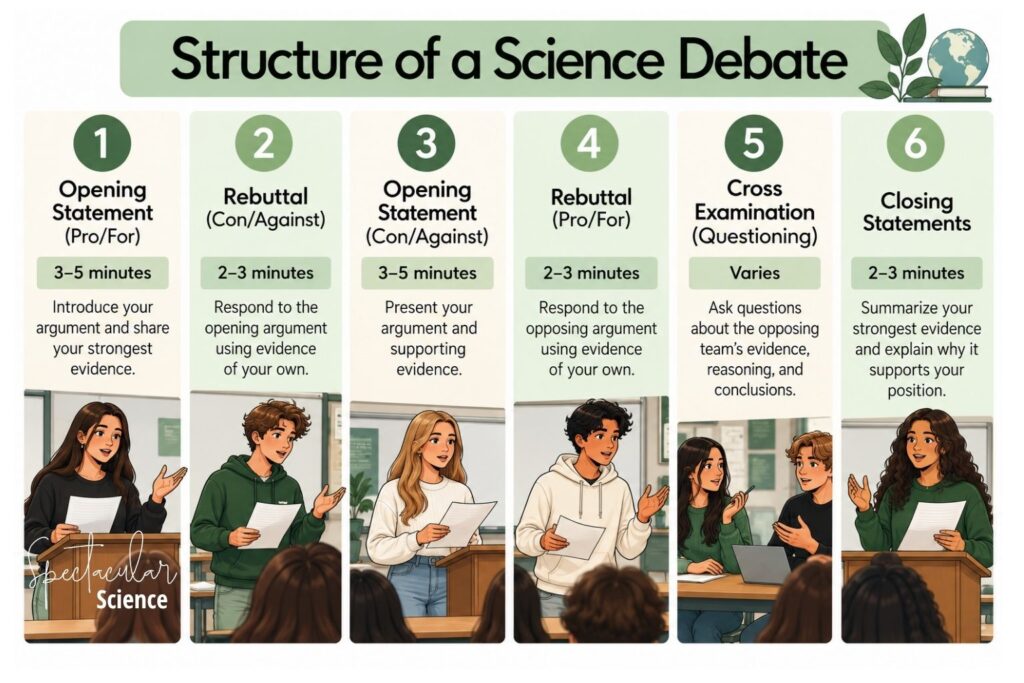
Here’s one simple format:
Opening Statement: Pro/For
Give students 3–5 minutes to introduce their argument and strongest supporting evidence.
Rebuttal: Con/Against
Give the opposing side 2–3 minutes to respond to the opening argument using evidence of their own.
Opening Statement: Con/Against
Students now have 3–5 minutes to present their argument and supporting evidence.
Rebuttal: Pro/For
The first team gets 2–3 minutes to respond.
Cross-Examination/Questioning
Give both sides an opportunity to ask questions about the opposing team’s evidence, reasoning, and conclusions.
Closing Statements
Each team summarizes its strongest evidence and explains why that evidence supports its position.
One thing I always want students to understand is that the goal isn’t simply to “win.”
Science is built around evidence. A good science debate asks students to look at the available evidence, evaluate its quality, consider different solutions or perspectives, and clearly explain the reasoning behind their ideas.
And the best part is that you don’t necessarily need an entire class period or a formal debate setup to make this work. Try one of these topics as a full-class debate, a small-group discussion, a CER prompt, or even a quick Friday activity.
However you use them, you’re getting students to do more than just learn the science.
They’re researching it, questioning it, looking at the evidence, and explaining their thinking.
And that’s exactly what we want them doing.
Just a heads-up: this post includes Amazon affiliate links. That means if you click through and buy something, I earn a small commission—at no extra cost to you. Thanks for supporting my work!
RELATED POSTS:
- How To Handle Missed Labs Without Losing Your Mind
- 100 Quick Hands-On Learning Opportunities in Science